
Adoption: how it works if you're pregnant
Adoption today is very different from the secret, closed process many people picture. You can choose the family, meet them, and in many cases stay in your child's life. Here's how it works in Michigan, what it costs, and what your rights are.
The short answer: you choose an adoptive family, often with help from a licensed agency or an attorney, and decide how much contact you want. The adoptive family usually pays the costs. Nothing is final until after the baby is born, when you sign papers either in front of a judge or, outside court, no sooner than 72 hours after the birth.
This page is general information about Michigan law, not legal advice. Talk to an attorney who represents you before you sign anything.
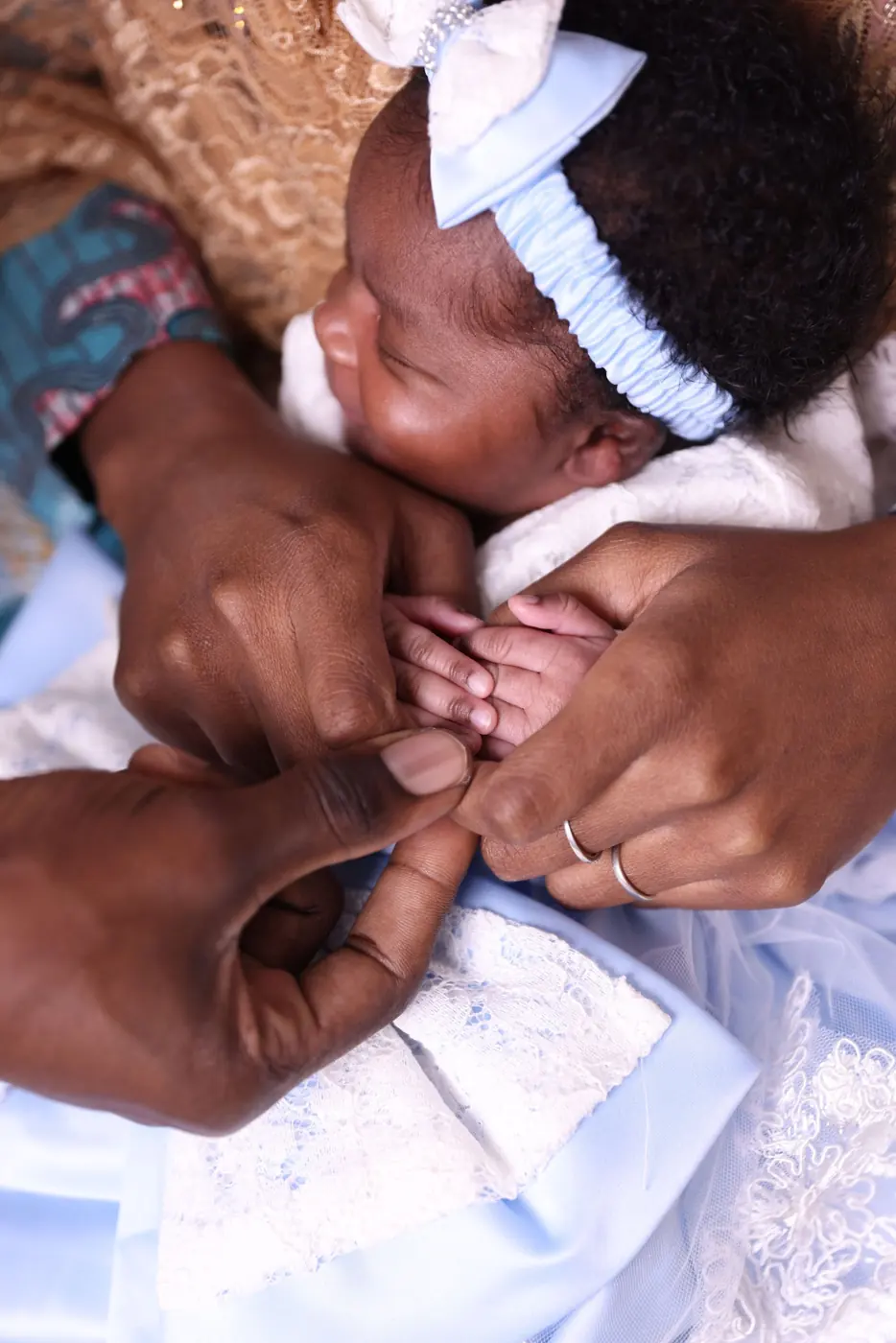
Open, semi-open and closed adoption
The biggest choice you'll make is how much contact you want after the baby is placed. There's no single right answer.
- Open adoption. You know the family's names and how to reach them. Contact can include visits, calls, texts, photos and letters, as often as you agree.
- Semi-open adoption. Contact goes through the agency or attorney. You might get letters and photos a few times a year without sharing addresses or last names.
- Closed adoption. No contact and no identifying information is shared. Some birth parents choose this because it feels like the clearest way to move forward.
You can often start with one kind and change over time if both sides agree.
Good to know: Michigan's adoption laws don't make contact agreements enforceable. An open adoption rests on trust and good faith. Choose a family whose plans really match yours, put the plan in writing anyway, and ask how the agency or attorney helps when things change.
Choosing a family and staying in touch
Most birth parents choose the family themselves. In a direct placement, Michigan law says the parent must personally select the adoptive parent.
- Look at profiles. Waiting families make profiles with photos and letters about their life, faith, values and home. You can ask for families that match what matters to you.
- Meet them. Many birth parents talk on the phone, video chat or meet in person before deciding.
- Plan the hospital time. You decide who's in the room, how much time you spend with your baby, and when the family comes.
- Agree on contact. Talk through visits, photos, letters and how your child will learn about you as they grow.
Before a baby goes home with a family they aren't related to, the family must have a home study (Michigan calls it a preplacement assessment) done by a licensed agency.
If you'd like the baby to go home with the family from the hospital before you sign anything, Michigan allows a temporary placement. You sign a statement that you're placing the baby for adoption, but you keep full parental rights until a release or consent is signed. During that time you can ask the court to end the placement and return your baby.
What it costs, and help with living expenses
Birth parents usually pay nothing. Under Michigan's Adoption Code, the adoptive parents can pay the reasonable, actual cost of:
- The agency's services
- Your medical and hospital bills, if your insurance or Medicaid doesn't cover them
- Counseling about the adoption for you
- Your living expenses during pregnancy and for up to 6 weeks after the birth
- Legal fees and court costs
- Travel needed for the adoption
The law also says these payments can't depend on you placing the baby or signing anything, and if the adoption doesn't happen, the family can't get the money back. Anyone paying or taking money for the baby itself, beyond these approved costs, is breaking the law. The court reviews what was paid.
Michigan Medicaid also covers pregnancy for many women, whatever you decide. See financial help during pregnancy.
Your rights in Michigan
Release and consent: the two kinds of papers
To make an adoption legal, each parent gives up their parental rights. Michigan has two kinds of documents for this:
- A release gives your rights to a licensed child placing agency or the state, which then places the baby with the family.
- A consent gives up your rights for adoption by a specific family you've chosen.
When you sign
Planning an adoption while you're pregnant doesn't give up your rights. The papers are signed after the baby is born, in one of two ways:
- In court. You sign in front of a judge or referee. The judge must first explain your rights and that signing permanently gives them up. For a consent, the court must hold the hearing within 7 days of the request.
- Out of court. You sign with an adoption attorney who represents you and an agency caseworker as witnesses. This can't happen until at least 72 hours after the birth. They must explain your rights first.
Either way, you'll also sign a statement that you've had counseling about the adoption, or that you chose not to. If you're under 18, a parent or guardian generally has to sign too.
If you change your mind
- Before you sign: you can change your mind at any time. Accepting help with expenses doesn't oblige you.
- After an out-of-court signing: you can ask to revoke within 5 days, not counting weekends and holidays. The request has to be in writing to the attorney or caseworker, not by phone or text. A judge then holds a hearing, and the baby isn't returned automatically.
- After signing in court: once the court accepts it and the baby has been placed, it generally can't be undone, apart from a narrow chance to ask for a rehearing within 21 days of the court's order. Treat it as final.
The father's rights
- If you're married, your husband is the legal father and must also give up his rights.
- If you're not married, the court has to identify the father and decide his rights, usually at a hearing after the birth. He can agree and sign his own papers.
- Notice before birth. You can ask the court to send the father a notice of your plan while you're pregnant. He then has until the birth (or the due date, if later) to file a notice that he claims to be the father. If he doesn't, the court can end his rights. A man can also file that notice on his own.
- If he wants custody, the court looks at whether he's fit and whether giving him custody is in the baby's best interests. A father who has given you or the baby regular, real support in the 90 days before being notified has stronger protection.
If you're worried about the father, or don't know who or where he is, tell your attorney or caseworker early. It doesn't stop an adoption, but it changes the steps.
Agencies vs. attorneys, and questions to ask
There are two main ways to place a baby in Michigan:
- Through a licensed child placing agency. The agency usually offers counseling, family profiles, help in the hospital and support after placement. Michigan licenses these agencies.
- A direct placement with an attorney. You choose the family yourself, often one you already know, and an adoption attorney handles the legal work. A licensed agency still does the family's home study.
Questions worth asking anyone you talk to:
- Are you licensed in Michigan? Who do you represent, me or the adoptive family?
- Will I have my own attorney, and who pays for it?
- What counseling do you offer before and after the birth, and for how long?
- How do I choose a family? Can I meet them first?
- How do you support open adoption if the family stops keeping in touch?
- What help with living expenses is possible, and is anything expected of me in return? (The answer should be no.)
- What happens if I change my mind?
If you'd like someone to talk it through with first, a local pregnancy center can help, free. If the baby has already been born and you can't care for them, Michigan's safe haven law is also an option. And if you're leaning toward raising your baby, see support for new parents.
Sources
- Michigan Adoption Code, Michigan Compiled Laws 710.22 (definitions: release, consent, direct placement, child placing agency).
- MCL 710.23a (direct placement; parent selects the family) and 710.23d (temporary placement).
- MCL 710.28 and 710.29 (who releases, how releases are signed and revoked).
- MCL 710.44 (consents: in court and out of court, 72-hour wait, revocation).
- MCL 710.33, 710.34, 710.36 and 710.39 (the father's rights and notice).
- MCL 710.54 (permitted and prohibited payments) and 710.64 (rehearing within 21 days).
- Michigan Judicial Institute. Notice of intent to release expected child for adoption checklist (2022).
- Child Welfare Information Gateway (U.S. Department of Health and Human Services). Postadoption contact agreements between birth and adoptive families: Michigan (2018) and Consent to adoption: Michigan (2021).
Common questions
Does it cost anything to place a baby for adoption in Michigan?
Can I choose the family?
When do I sign the papers, and can I change my mind?
Does the father have to agree to the adoption?
Is open adoption legally binding in Michigan?
“A father of the fatherless, and a judge of the widows, is God in his holy habitation. God setteth the solitary in families.”